Introduction
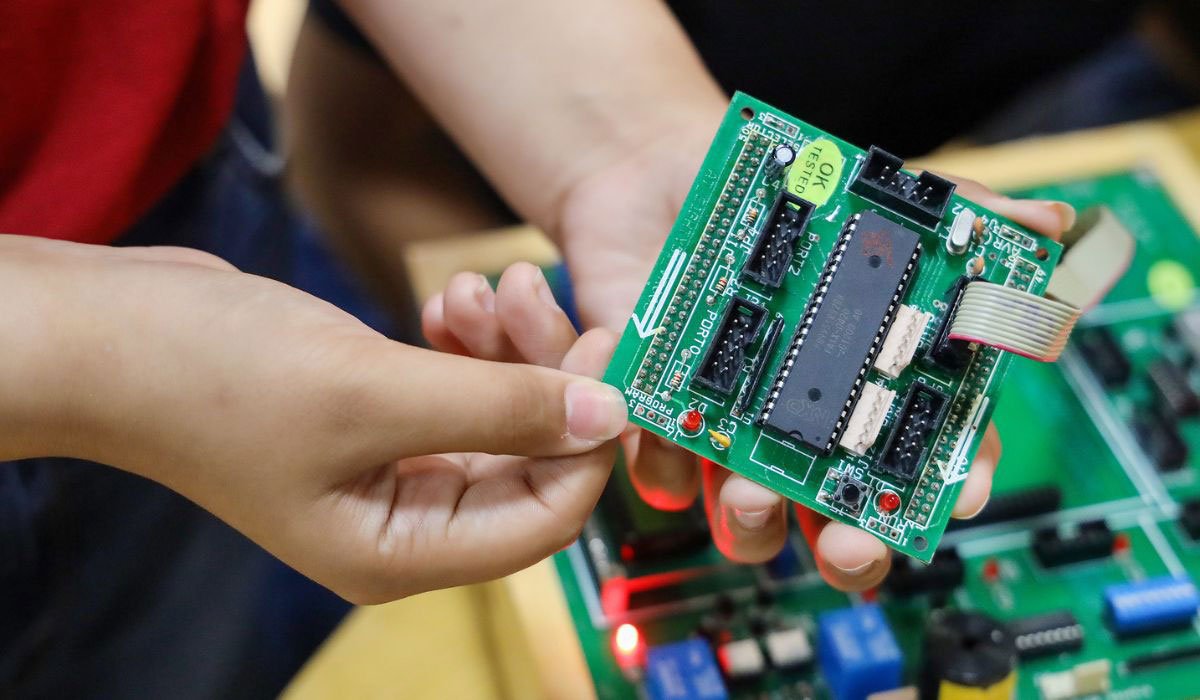
The Electrical Engineering Technology curriculum is designed to prepare students for a career in electrical engineering technology through a balanced approach that combines theoretical instruction with practical application. It deals with the design, testing, implementation, maintenance and the upgrading of electrical/electronic devices employed in the current industries ranging from power generation to automobile and digital communication. Amidst the whirlwind of technological evolution defining our times, Electrical Engineering Technology is more important than ever in the development of efficient, safe and dependable systems that make modern life possible.
Understanding the Field
Electrical Engineering Technology is a “hands-on” course of study that applies the principles of science and engineering. Rather than focus exclusively on the advanced mathematical design, it focuses on the practical problems solving, system optimization, circuit analysis, automation and troubleshooting. Experts of this domain are involved with many advanced technologies including robotics, power systems, sustainable energy, telecommunication, digital electronics etc. It is safe to say that your skills will last you a lifetime in that field.
Essential Technical Skills
Circuit Analysis and Design
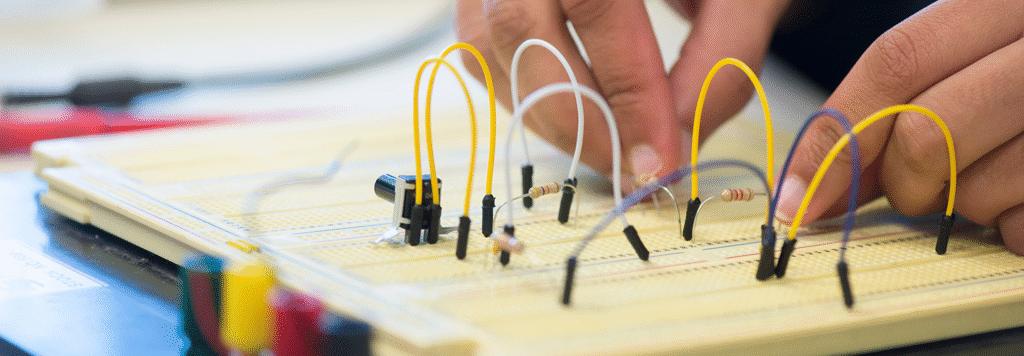
Electrical engineers are circuit savvy which is why solid EE circuit analysis and design, is the backbone of all electrical engineering technology if one wishes to understand how the electronic component behaves in the system on its own as well as when it relates to other electrical parts. This discipline examines voltage, current flow, power management and signal characteristics to develop reliable, efficient and safe electronic circuits. From analog boards and digital systems to embedded hardware, understanding circuit design gives engineers the power to diagnose failures, improve performance and invent new electronic solutions for an almost endless array of industries.
Programmable Logic Controllers (PLCs)
PLCs play a cornerstone role in day-to-day industry automation enabling machines and processes to run precisely, reliably, and safely. In the field of electrical engineering technology, students study how to program, troubleshoot, and interface the PLC with various sensors, motors and control systems to control such things as assembly lines and power systems. Learning with PLCs also means students can design automated solutions that increase efficiency and reduce human error in the manufacturing and industrial setting.
Power Systems and Distribution
The power and distribution systems are the basic necessities in electrical services, which are playing major role to supply the generated voltage from the power station to various industries and home appliances. In electrical engineering technology, students and practitioners investigate the role of transformers, substations, transmission lines, and protective devices in the delivery of power that is safe and stable. load management, grid reliability, and renewable integration; all the more critical in meeting the escalating need for clean, reliable electricity around the globe.
Instrumentation and Control Systems
Instrumentation and control systems are the backbone of automation which is essential to the safe, precise, and efficient operation of machines, processes, and electrical systems. This area is concerned with measuring variables such as temperature, pressure, flow, and voltage and applying controllers, sensors, and actuators to achieve stability in industrial systems. Electrical Engineeringtechnologists apply devices such as PID controllers, SCADA systems, and industrial sensors to develop, analyze, and enhance automated systems and they use tools to do so. With the industry’s focus on smarter, faster, more precise capabilities, instrumentation and control systems are playing an even more critical role in the production of today’s and tomorrow’s manufacturing, energy management, and industrial automation.
Digital and Computing Skills
Embedded Systems and Microcontrollers
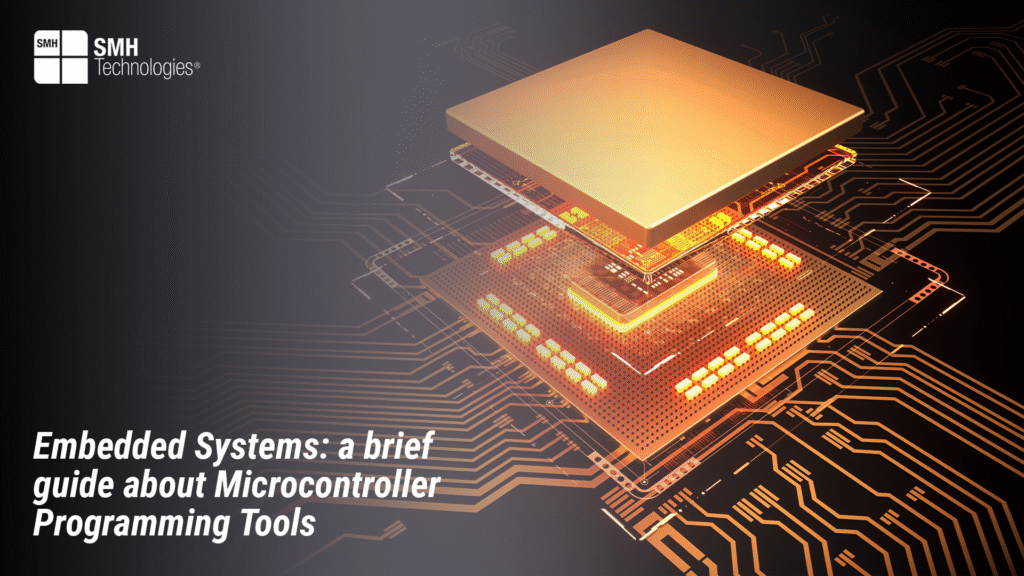
The humanized task: Embedded systems and microcontrollers are fundamental to EET, allowing devices to be smart, efficient, and automated. Such systems run dedicated application software on hardware and software platform, ranging from some household appliances to industrial automation systems. Learners pursuing a career in this domain discover how to programme microcontrollers, interface with sensors, enhance performance, and build real-time systems; thus, embedded technology is among the most sought after, and applicable skillset in engineering today.
Computer-Aided Design (CAD)
Computer-aided design (CAD) is a fundamental competency that is addressed in many of the core courses of the Electrical Engineering Technology program and it allows students and professionals to design circuit layouts, wiring diagrams, and system schematics for their work in a digital manner. Products such as AutoCAD Electrical, SolidWorks Electrical and EPLAN provide solutions for engineers to visualize designs, test configurations and comply with industry standards prior to physical execution. With the assistance of CAD, an electrical engineering technologist can reduce mistakes, accelerate project planning, and coordinate more efficiently with other engineering groups.
Data Analysis and Programming
Data processing and programming have become integral to the technology of the modern electrical engineer to allow the interpretation of system data, the enhancement of system performance, and the automation of complex procedures. Engineers often rely on languages such as Python, MATLAB or C/C++ to process electrical signals, model circuits, and program embedded systems. As sectors turn increasingly data-centric, the skill to execute in code and mold raw data into actionable insights is becoming the critical crutch to problem solving, innovation, and system tuning.
Safety and Compliance Knowledge

Electrical processes need to be safe in everyplace and at every point. Inindustry-standard training, students are taught national electrical codes and best practices to minimize risk and ensure compliance. Knowledge of safety procedures is essential for both the employee and the equipment, so it is one of the most critical elements of the industry.
Soft Skills and Professional Development
Soft skills are just as critical as technical skills in electrical engineering technology and allows technologists to articulate ideas, work collaboratively and efficiently solve problems in real world applications. Engineers need to develop strong collaboration, critical thinking, and project management skills to successfully work with cross functional teams and meet project deadlines.Continuous professional development—through certifications, workshops, and staying updated with industry standards—ensures long-term
Continuous Learning and Certification
Learning is an ongoing process as technology is constantly changing. The EET professional can also pursue additional certifications such as CET, PLC programming certification, OSHA safety training and more to remain competitive and to advance into specialized fields.
Conclusion
The study of electrical engineering technology is constantly evolving to keep pace with the ever-changing practical engineering aspects of modern technology, providing professionals with the ability to design, analyze, and modify the systems that run the world today. With knowledge of circuits, power systems, PLCs, embedded devices, and safety standards, graduates contribute significantly in a range of industries including manufacturing and energy. Today more than ever, you will need to keep learning and keep certifying to stay ahead of the curve — and that’s what makes this a future-proof field with tons of opportunity.
For More Information, Visit Workmagazine
About the Author








1 thought on “Electrical Engineering Technology: A Complete Guide to Careers, Skills, and Future Trends”