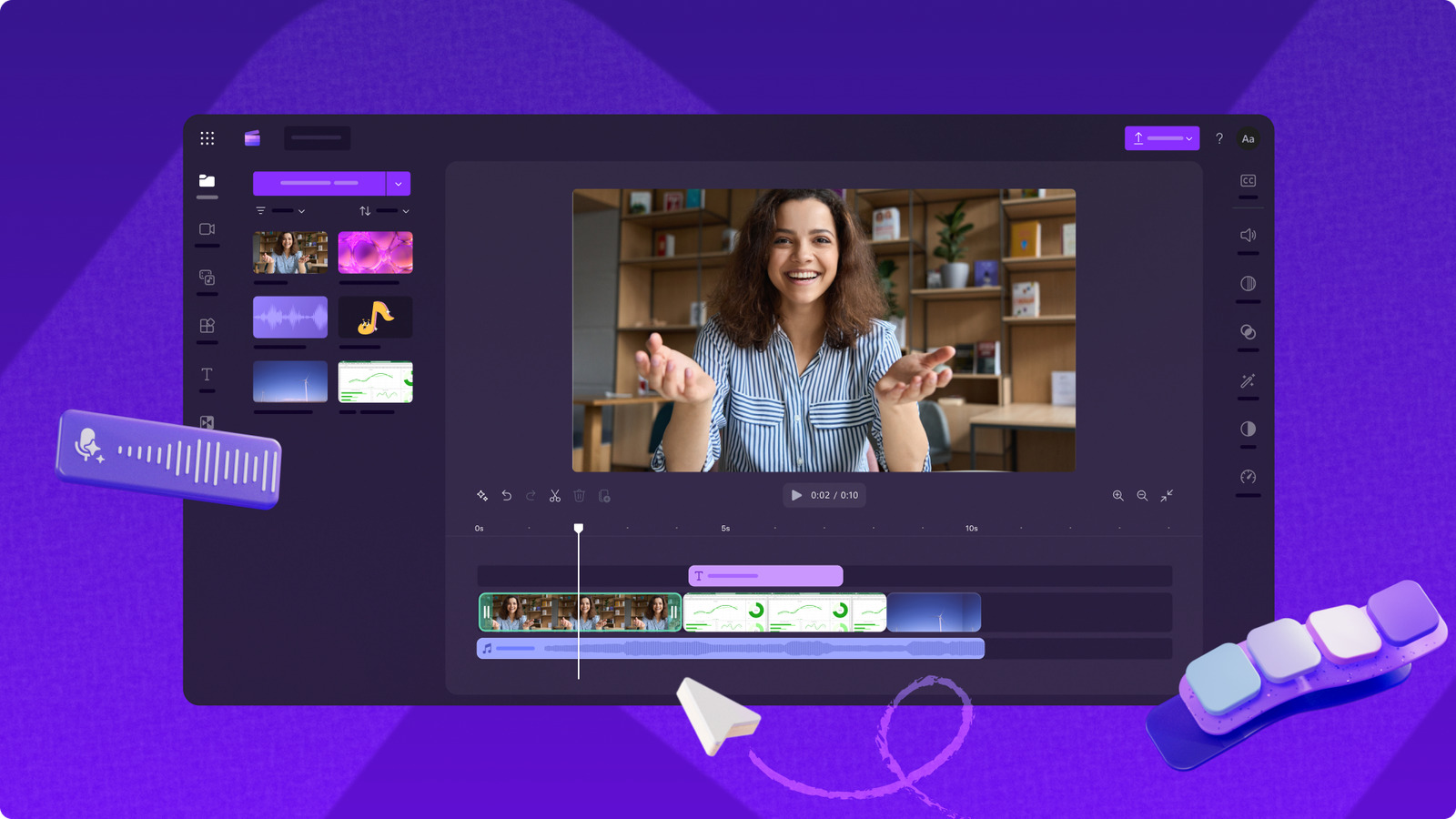
Video editing used to require specialized software, technical knowledge, and plenty of patience. Even simple tasks such as trimming clips, adding captions, removing unwanted sections, or adjusting audio could take considerable time. Today, artificial intelligence is changing that process by helping creators handle many routine editing tasks more quickly.
AI-powered editing tools are becoming useful for everyone from social media creators and marketers to teachers, small businesses, and people making personal videos. Instead of replacing the creative process entirely, these tools can reduce the amount of manual work involved.
What AI Video Editing Actually Does
AI video editing combines traditional editing features with machine learning and automated content analysis. Depending on the tool, AI can identify speech, recognize objects, detect scene changes, generate captions, and help organize footage.
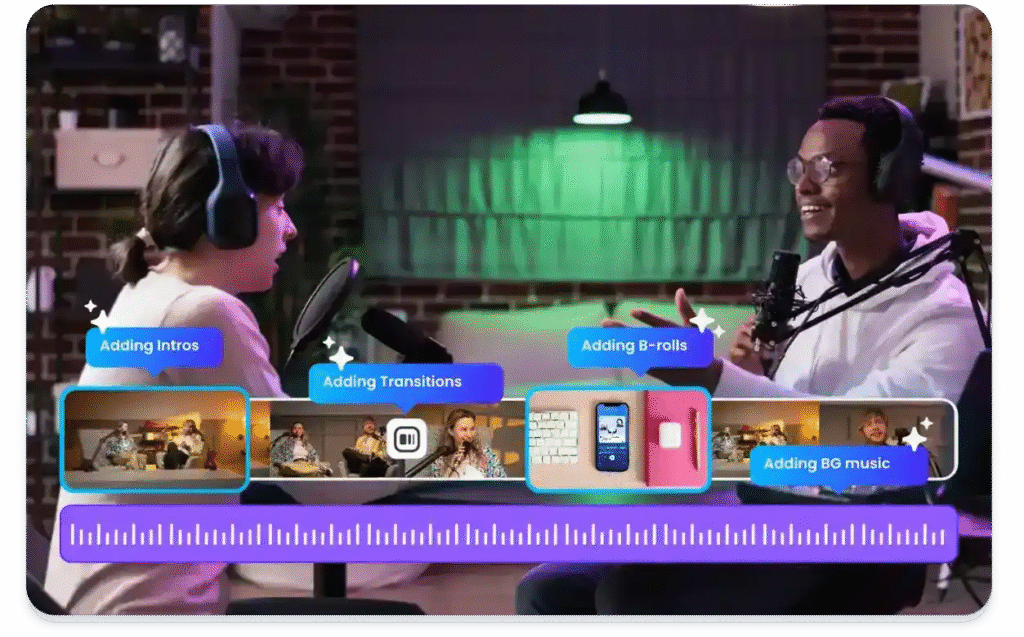
For example, an editor may be able to upload a long recording and automatically identify sections that contain speech or important visual information. Other tools can turn written instructions into edits, suggest cuts, or create short clips from longer videos.
The technology is particularly useful when the goal is to speed up repetitive tasks. A creator can spend less time searching through footage and more time deciding what the final video should communicate.
Text-Based Editing Is Becoming More Common
One of the more interesting developments in AI video editing is the ability to work with a video’s transcript. Instead of navigating a timeline for every small change, users can sometimes edit the transcript and have the corresponding video changes applied automatically.
This approach can be helpful for interviews, podcasts, tutorials, presentations, and other speech-heavy content. Removing a sentence from the transcript, for instance, can also remove the matching portion of the video.
Some AI editors also provide tools for generating subtitles, translating spoken content, and adjusting captions. These features can make videos easier to understand and more accessible to audiences who watch without sound.
AI Can Help With Short-Form Content
Short videos have created another demand for faster editing workflows. A single recording may contain several moments that could work as separate clips for platforms such as TikTok, Instagram, YouTube, or other social networks.
AI can help identify potentially useful sections based on speech, pauses, or changes in the footage. Some applications can also resize videos for different aspect ratios and generate captions automatically.
However, automated selection is not always perfect. A moment that looks important to software may not have the same value to a human viewer. Reviewing suggested clips before publishing is therefore still important.
Free AI Video Editors Can Be Useful for Learning
Not every creator needs a professional editing suite. Someone learning the basics may simply want to experiment with trimming footage, adding text, creating captions, or making simple edits without committing to expensive software.
That is where a ChatGPT video editor free option can be useful when someone is looking for an accessible way to explore AI-assisted video creation. The exact features and limitations depend on the service being used, so users should check what is actually included in a free plan before starting a project.
Free tools can also be practical for testing an idea. A creator can experiment with an editing workflow first and decide later whether more advanced features are necessary.
AI Does Not Replace Creative Decisions
Despite rapid improvements, AI cannot completely understand the purpose and personality behind every video. Editing involves choices about pacing, storytelling, emotion, timing, and audience expectations.
An automated tool may correctly identify a sentence as unnecessary but remove it at a point where the pause was important for dramatic effect. Similarly, an AI-generated caption can occasionally misunderstand a name, technical term, or accent.
For this reason, AI works best as an assistant rather than an unquestioned replacement for the editor. Human review remains important, especially for videos that represent a business, teach technical information, or tell a personal story.
Choosing an AI Video Editing Tool
The right tool depends on the type of content being produced. Before choosing one, it is worth considering several practical factors:
- Editing method: Some tools focus on timelines, while others emphasize text or prompts.
- Video length: Free plans may impose limits on project duration or file size.
- Export options: Check available resolutions, formats, and whether watermarks are added.
- Captions and transcription: These can be especially valuable for spoken content.
- Ease of use: A simple interface may be more useful than a feature-heavy application for beginners.
- Privacy: Consider how uploaded videos are stored and whether they are used for model training.
Comparing these factors can prevent creators from choosing a tool based solely on its list of AI features.
The Future of AI-Assisted Editing
AI video editing is likely to become increasingly integrated into everyday creative workflows. Tasks that currently require several separate steps may eventually be handled through a single instruction.
The most useful development may not be fully automated video production, but better collaboration between humans and editing software. Creators can describe what they want, let AI handle repetitive operations, and then make the final creative decisions themselves.
As these tools improve, the basic skill of video editing may become less about mastering every technical control and more about understanding storytelling, audience behavior, and how to communicate an idea effectively.
AI can make the editing process faster, but the quality of the final video still depends on the decisions behind it.
About the Author