The world stood still on June 25, 2009, when news broke that the King of Pop had died. Michael Jackson, the most celebrated entertainer of his generation, was gone at just 50 years old. The shock reverberated across continents, leaving millions of fans devastated and searching for answers. How did Michael Jackson die. This question echoed through households, newsrooms, and courtrooms for years following that fateful day.
The circumstances surrounding his death were as complex as they were tragic, involving prescription medications, a personal physician, and the immense pressures of preparing for what was meant to be his comeback tour. Understanding the events of his final hours requires examining not just the medical facts, but the broader context of his life in those last months.
The Final Day: June 25, 2009
Michael Jackson spent his last day at his rented mansion in the Holmby Hills neighborhood of Los Angeles. The sprawling estate had become his temporary home as he rehearsed for “This Is It,” a series of 50 comeback concerts scheduled to begin in London that July. Those who saw him at rehearsals the night before later described him as energetic and engaged, seemingly excited about returning to the stage.
But behind closed doors, Jackson was struggling. Sleep had become elusive, and he had grown increasingly dependent on medications to rest. His personal physician, Dr. Conrad Murray, had been staying overnight at the mansion to help manage what Jackson described as chronic insomnia that plagued him during intense work periods.
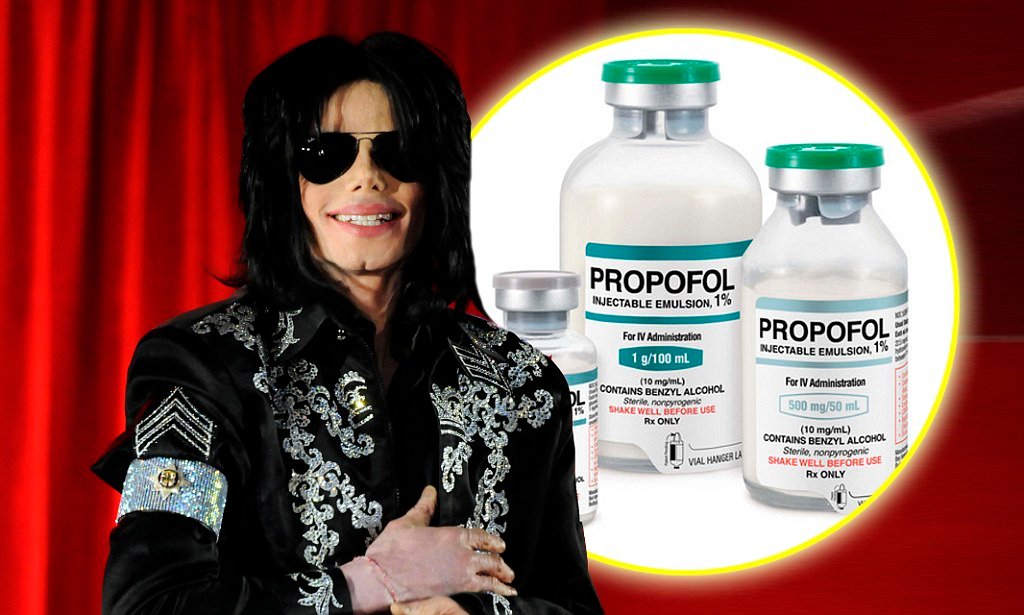
On that morning, Dr. Murray would later testify, Jackson was unable to sleep despite receiving various sedatives throughout the early hours. Between approximately 1:30 AM and 10:40 AM, Murray administered several drugs including Valium, lorazepam, and midazolam. When these failed to induce sleep, Jackson reportedly begged for propofol, a powerful anesthetic he referred to by the nickname “milk” due to its milky-white appearance.
The Lethal Dose: Understanding Propofol
How did Michael Jackson die from a medical standpoint? The answer lies primarily with propofol, a drug never intended for use outside of surgical settings. Propofol is an anesthetic used to sedate patients during operations, and it requires constant monitoring because it suppresses breathing and cardiovascular function. Medical professionals use it in controlled environments with full resuscitation equipment immediately available.
According to Murray’s account and the subsequent investigation, he administered 25 milligrams of propofol through an intravenous drip at approximately 10:40 AM. He claimed he then left Jackson’s bedside to use the bathroom for roughly two minutes. When he returned, Jackson had stopped breathing.
How Did Michael Jackson Die Los Angeles County Coroner later determined that Jackson died from acute propofol intoxication, combined with the effects of benzodiazepines. The official ruling classified his death as a homicide, meaning it resulted from the actions of another person, though not necessarily with intent to kill. The coroner found that the level of propofol in Jackson’s system, along with the other sedatives, created a lethal combination that overwhelmed his body’s ability to maintain basic functions.
Desperate Attempts at Revival
When Dr. Murray discovered Jackson wasn’t breathing, he attempted CPR while Jackson was still in bed, a procedure that should be performed on a hard surface to be effective. He called for Jackson’s chef and personal assistant, who rushed upstairs. According to their testimony, Murray appeared panicked and asked them to help collect medication vials before calling 911.
The 911 call wasn’t placed until 12:21 PM, more than an hour and a half after Murray claimed he found Jackson unresponsive. This delay would become a critical point in Murray’s later trial. When paramedics arrived at 12:26 PM, they found Jackson’s body still warm but with no pulse and fixed, dilated pupils. Despite efforts to revive him, their report noted he appeared to have been dead for some time.
Paramedics transported Jackson to Ronald Reagan UCLA Medical Center, where emergency room physicians continued resuscitation efforts. At 2:26 PM, Michael Jackson was pronounced dead. The news reached the public shortly after, and within minutes, the internet practically broke as millions searched for information about what happened.
The Investigation and Trial
How did Michael Jackson die became not just a medical question but a legal one. The Los Angeles Police Department immediately launched an investigation, treating Jackson’s death as suspicious. Detectives interviewed everyone who had been at the house, examined phone records, and analyzed the medications found at the scene.
How Did Michael Jackson Die investigation revealed a troubling pattern. Dr. Murray had been providing Jackson with propofol for approximately two months, essentially using the singer’s bedroom as an impromptu anesthesia suite without proper equipment or training for such an environment. Murray had ordered large quantities of propofol from a Las Vegas pharmacy, which he had shipped to a girlfriend’s apartment to avoid detection.
Perhaps most damning was evidence that Murray had been on the phone with patients and girlfriends during the critical hours when he should have been monitoring Jackson. Phone records showed he made several calls and sent text messages while supposedly watching over his sedated patient.
In November 2011, Dr. Conrad Murray was found guilty of involuntary manslaughter. The prosecution successfully argued that his gross negligence and deviation from standard medical care directly caused Jackson’s death. Murray was sentenced to four years in prison, though he served only two years before being released.
The Broader Context: Why Was Jackson Using Propofol?
To fully understand how did Michael Jackson die, we must consider why he was using such a dangerous drug in the first place. Friends and family members testified that Jackson had struggled with insomnia for years, particularly when preparing for tours or major performances. The pressure he placed on himself to deliver perfection, combined with the physical demands of his performances, made rest difficult.
Jackson had also dealt with chronic pain from various injuries sustained during his career, including a scalp burn from a pyrotechnics accident during a Pepsi commercial in 1984, and back and leg injuries from his elaborate dance routines. This pain sometimes required medication, and over the years, Jackson had periods of dependency on prescription painkillers.
By 2009, at age 50 and preparing for an ambitious 50-show residency, Jackson felt enormous pressure to perform at the level fans expected. The “This Is It” concerts represented not just a comeback but a financial necessity, as he faced significant debts. This pressure, combined with his fear that he couldn’t sleep without pharmaceutical help, created a dangerous situation.
The Aftermath and Legacy
The question of how did Michael Jackson die sparked broader conversations about prescription drug abuse, the responsibilities of physicians treating celebrities, and the unique pressures faced by performers. Jackson’s death came just years after Anna Nicole Smith’s similar death from prescription drugs, and preceded other celebrity overdoses that would follow.
How Did Michael Jackson Die family filed a wrongful death lawsuit against AEG Live, the concert promoter for “This Is It,” arguing that the company pressured Jackson and negligently hired Dr. Murray. After a lengthy trial, the jury found that while Murray was indeed incompetent, AEG Live wasn’t responsible for hiring him, as Jackson had made the ultimate choice to employ the physician.
The Michael Jackson estate went on to become one of the most lucrative in entertainment history. The documentary footage from “This Is It” rehearsals was compiled into a film that grossed over $260 million worldwide. His music catalog continues to generate hundreds of millions in revenue annually, and his artistic influence remains undeniable.
Medical and Legal Reforms
Jackson’s death prompted some changes in medical practice and law. California enacted legislation making it illegal for physicians to administer certain anesthetic agents in non-medical settings without proper equipment and personnel. Medical boards became more vigilant about monitoring doctors who prescribed large quantities of controlled substances, particularly to high-profile patients.
The case also highlighted the “celebrity doctor” phenomenon, where physicians become enablers rather than healers, prioritizing their famous patient’s wishes over sound medical judgment. Dr. Murray’s conviction sent a message to the medical community about the consequences of abandoning professional standards, even for willing patients.
Remembering the Man Behind the Question
When people ask how did Michael Jackson die, they’re seeking to understand not just the medical mechanism but how such an immense talent could meet such a preventable end. Jackson’s death was tragic precisely because it was avoidable. Had he received proper treatment for insomnia, had he worked with a physician who prioritized his health over keeping him happy, had the warning signs been heeded, he might still be alive today.
The final chapter of Michael Jackson’s life serves as a cautionary tale about the dangers of unchecked access to prescription medications, the isolation that can come with fame, and what happens when the people surrounding a celebrity fail to protect them from themselves.
How did Michael Jackson die? The clinical answer involves propofol and benzodiazepines administered in unsafe circumstances. But the fuller answer encompasses the complex pressures of superstardom, the failure of those entrusted with his care, and a system that sometimes enables rather than helps those struggling with dependency.
Fifteen years after his death, Michael Jackson’s music continues to inspire new generations. His moonwalk remains iconic, his videos revolutionary, and his philanthropy often overlooked but significant. While his life ended tragically in a Holmby Hills mansion, his artistic legacy lives on, reminding us of the brilliance he shared with the world and the lessons we must learn from his loss.
About the Author