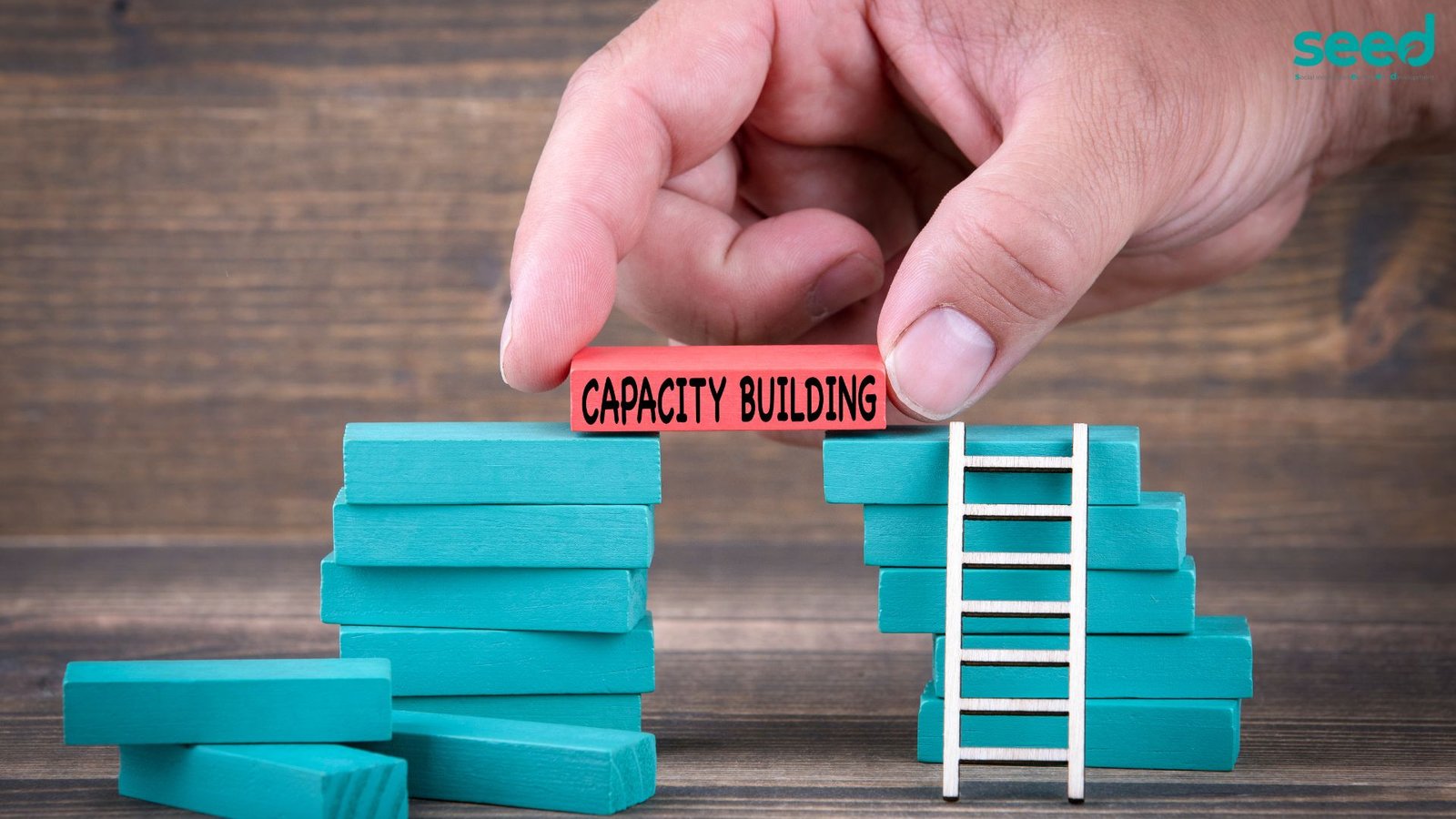
In today’s rapidly evolving business landscape, organizations face an unprecedented challenge: how to remain competitive while navigating constant disruption, technological advancement, and shifting market dynamics. While many companies chase short-term wins through cost-cutting measures or quick acquisitions, the most successful organizations are taking a different approach. They’re investing in building capabilities that create sustainable competitive advantages and drive long-term growth.
Building capabilities represents more than just developing skills or implementing new technologies. It’s a strategic approach that involves creating organizational competencies, processes, systems, and cultural attributes that work together to deliver superior value. These capabilities become the foundation upon which companies can adapt, innovate, and thrive regardless of external circumstances.
Understanding Organizational Capabilities
Before diving into how to build capabilities effectively, it’s essential to understand what they truly are. Organizational capabilities are the collective skills, processes, technologies, and knowledge that enable a company to execute its strategy and deliver value to customers. Unlike individual skills or isolated technologies, capabilities are deeply embedded in how an organization operates.
Consider Amazon’s logistics capability. It’s not just about having warehouses or delivery trucks. It’s the integration of advanced algorithms, sophisticated supply chain management, real-time data analytics, trained personnel, and a culture of customer obsession that together create an unmatched capability to deliver products quickly and efficiently. This holistic nature is what makes true capabilities so valuable and difficult for competitors to replicate.
Building Capabilities differ from competencies in their scope and impact. While a competency might refer to a specific skill set—such as software development or financial analysis—a capability encompasses the entire system that allows an organization to consistently perform complex activities at scale. It’s the difference between having talented data scientists on staff and having a true data-driven decision-making capability that permeates the entire organization.
Why Building Capabilities Matters More Than Ever

Building Capabilities business environment has fundamentally changed. Product lifecycles are shorter, customer expectations are higher, and technological disruption occurs at an accelerating pace. In this context, traditional sources of competitive advantage—such as proprietary technology, market position, or physical assets—erode more quickly than ever before.
Building capabilities offers a more sustainable path to competitive advantage. Capabilities are inherently difficult to copy because they’re woven into the fabric of an organization. They involve tacit knowledge, cultural elements, and interconnected systems that can’t simply be purchased or reverse-engineered. When Southwest Airlines or Netflix succeed, competitors can’t simply copy their success by mimicking surface-level strategies. The underlying capabilities that enable their performance are deeply embedded and built over years of focused effort.
Moreover, capabilities provide flexibility and resilience. A company that has built strong innovation capabilities can pivot when markets shift. An organization with robust digital capabilities can adapt to new technologies faster than competitors. These capabilities become the platform from which companies can pursue multiple strategic opportunities rather than betting everything on a single product or market.
The financial case for building capabilities is compelling. Research consistently shows that companies investing in capability development outperform their peers over the long term. While the initial investment may be substantial and returns take time to materialize, the compounding effect of strong capabilities creates exponential value. Organizations that excel in execution, innovation, customer relationships, or operational excellence generate higher margins, faster growth, and greater market valuations.
Identifying Which Capabilities to Build
Building Capabilities are created equal, and organizations must be strategic about where they invest. The most successful companies focus on building a small number of differentiating capabilities that directly support their strategic positioning and value proposition.
The first step is understanding your strategy. What is your organization trying to achieve? What makes you different from competitors? What do customers value most about your offering? The answers to these questions should guide capability development. A luxury brand needs different capabilities than a low-cost provider. A technology innovator requires different strengths than a operational excellence company.
Building Capabilities clarified your strategy, identify the three to five capabilities that would most directly enable you to execute that strategy better than anyone else. These become your differentiating capabilities. For example, Apple’s differentiating capabilities include industrial design, ecosystem integration, and brand management. Google’s include algorithm development, data processing at scale, and talent acquisition in technical fields.
Beyond differentiating capabilities, organizations need table-stakes capabilities—those that every competitor must have to participate in the market. These shouldn’t be ignored, but they also don’t warrant the same level of investment as your differentiating capabilities. The key is maintaining competence in table-stakes areas while achieving excellence in your chosen differentiators.
Consider also the interdependencies between capabilities. Some capabilities enable others. For instance, strong data analytics capabilities might be necessary to build advanced customer personalization capabilities. Understanding these relationships helps prioritize investments and sequence capability-building efforts effectively.
The Process of Building Capabilities
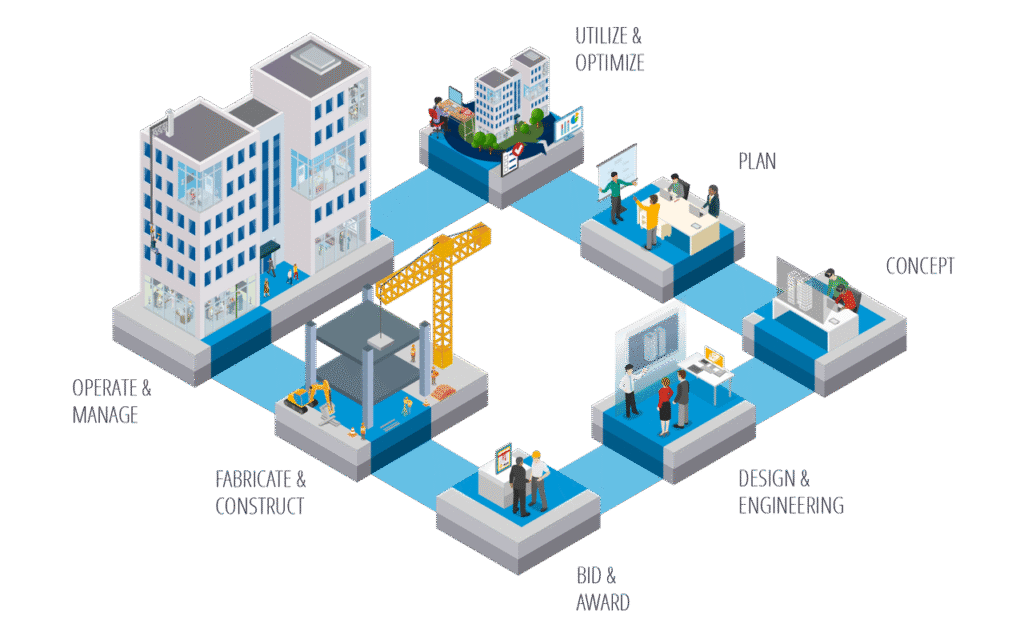
Building capabilities is neither quick nor simple. It requires sustained commitment, significant resources, and a systematic approach. Organizations that succeed typically follow a structured process that addresses multiple dimensions simultaneously.
Start with a clear vision and definition of the target capability. What exactly does success look like? What specific outcomes should this capability enable? How will you measure progress? Without clarity on the destination, capability-building efforts tend to drift or dissipate over time. Create a detailed capability blueprint that describes the desired end state in terms of processes, technologies, skills, organizational structures, and cultural attributes.
Next, assess your current state honestly. Where are you today relative to where you need to be? What gaps exist? This diagnostic phase should examine not just obvious elements like skills and technologies, but also less visible factors like decision-making processes, information flows, incentive systems, and informal networks. Often, the biggest obstacles to capability development are hidden in these less tangible areas.
Building Capabilities understanding of both the target and current state, develop a comprehensive build plan. This plan should address all elements of the capability system. If you’re building a customer-centric capability, for example, you might need to invest in customer data platforms, train employees in customer journey mapping, redesign organizational structures to reduce silos, modify incentive systems to reward customer outcomes, and shift cultural norms to make customer impact the primary decision criterion.
Implementation requires sustained effort across multiple fronts. Technology investments must be made. People need training and development. Processes should be redesigned and tested. Organizational structures may need adjustment. Throughout this journey, leadership commitment is critical. Capability building often requires trading short-term results for long-term strength, and leaders must protect these investments from quarterly pressure to deliver immediate returns.
Overcoming Common Obstacles
The path to building capabilities is fraught with challenges. Understanding common obstacles can help organizations navigate them more effectively.
Building Capabilities significant barriers is the tension between short-term performance pressure and long-term capability investment. Wall Street’s quarterly focus can make it difficult to justify capability investments that may take years to pay off. Leaders must communicate clearly about the strategic rationale for capability building and, when possible, structure initiatives to show incremental progress and early wins that maintain stakeholder confidence.
Organizational silos represent another major challenge. Capabilities, by their nature, cut across functional boundaries. Building a customer service capability, for instance, requires coordination between IT, operations, human resources, training, and front-line service units. Breaking down silos requires strong executive sponsorship, cross-functional governance structures, and incentives that reward collaboration over functional optimization.
Culture often presents the most stubborn resistance to capability development. If you’re trying to build an innovation capability but your culture punishes failure and rewards only safe, proven approaches, your efforts will falter. Cultural transformation must be an explicit part of capability-building initiatives. This involves modeling desired behaviors at the leadership level, celebrating examples of the target capability in action, and gradually shifting the stories the organization tells about what matters and how success is achieved.
Resource constraints can limit capability-building efforts, but smart organizations find creative solutions. Partnerships can provide access to expertise or technologies without requiring full internal development. Pilot programs allow testing and learning before full-scale investment. Sequencing capability development—building one piece at a time rather than everything simultaneously—makes large initiatives more manageable.
Sustaining and Evolving Capabilities
Building capabilities isn’t a one-time project but an ongoing journey. Once established, capabilities must be maintained, refreshed, and evolved to remain relevant and effective.
Building Capabilities improvement should be embedded in every capability. Create feedback mechanisms that identify when processes aren’t working, when skills gaps emerge, or when technologies become outdated. Establish regular review cycles where capability performance is assessed against both internal benchmarks and external competitive standards.
Building Capabilities successful organizations treat their key capabilities as living systems that require ongoing investment and attention. They dedicate resources to capability enhancement even after initial development is complete. This might mean refreshing training programs annually, upgrading technologies on a regular cycle, or continuously refining processes based on learning and feedback.
Market conditions and competitive landscapes evolve, which means your capabilities must evolve too. What constitutes a differentiating capability today might become merely table-stakes tomorrow. Organizations should periodically reassess their capability portfolio to ensure alignment with strategic priorities and market realities. Some capabilities may need upgrading, others might be retired, and new capabilities may need to be built as strategy shifts or new opportunities emerge.
Protecting capabilities from complacency is crucial. Success can breed overconfidence and lead organizations to stop investing in the very capabilities that made them successful. Leaders must maintain a healthy paranoia, constantly asking how capabilities could be strengthened and how competitors might be catching up.
Measuring Capability Development

You can’t manage what you don’t measure, and capability development is no exception. However, measuring capabilities requires a more sophisticated approach than traditional metrics.
Start by establishing clear capability maturity models that describe different levels of capability development. These models provide a framework for assessing current state and tracking progress over time. A five-level maturity model might range from “ad hoc” (level 1) where the capability barely exists, through “defined” (level 3) where processes are documented and standardized, to “optimized” (level 5) where the capability is world-class and continuously improving.
Develop specific metrics that indicate capability strength. These should include both leading indicators (measures that predict future capability performance) and lagging indicators (measures that confirm capability outcomes). For a customer service capability, leading indicators might include employee training completion rates, system uptime, or process cycle times, while lagging indicators might include customer satisfaction scores, resolution rates, or customer retention.
Building Capabilities against competitors and best-in-class organizations. This external perspective helps you understand whether your capability development is keeping pace with the market or falling behind. Be careful, however, not to simply copy what others are doing. The goal is to understand the performance frontier while building capabilities that are distinctive to your strategy.
Regular capability audits should be conducted to assess health and identify improvement opportunities. These audits examine all elements of the capability system—people, processes, technologies, organizational factors, and culture—to identify strengths, weaknesses, and interdependencies.
The Future of Capability Building
As we look ahead, building capabilities will only become more critical to business success. Several trends are shaping the future of capability development.
Digital capabilities are becoming fundamental across all industries. Every organization, regardless of sector, needs strong capabilities in areas like data analytics, digital customer engagement, automation, and technology integration. The pace of digital transformation means these capabilities must be built quickly and continuously evolved.
Agility and adaptability are emerging as meta-capabilities—capabilities that enable the development of other capabilities. In an unpredictable environment, the ability to sense market changes, rapidly learn new skills, and pivot organizational resources becomes a competitive advantage in itself. Organizations should consider investing in building their capability to build capabilities.
Building Capabilities are gaining importance as business models become more interconnected. Success increasingly depends on the ability to orchestrate partnerships, manage complex networks of suppliers and collaborators, and create value across organizational boundaries. This requires new kinds of capabilities around relationship management, platform development, and ecosystem leadership.
Human-machine collaboration represents a frontier in capability development. As artificial intelligence and automation become more sophisticated, the most valuable capabilities will involve seamless integration between human judgment, creativity, and interpersonal skills with machine speed, scale, and analytical power. Organizations that build superior human-machine collaborative capabilities will have significant advantages.
Conclusion
In an era of constant change and intensifying competition, building capabilities represents one of the most powerful strategies for achieving sustainable business growth. Unlike short-term tactical maneuvers or one-off strategic moves, capabilities create enduring competitive advantages that compound over time.
The journey requires commitment, resources, and patience. It demands clear strategic thinking about which capabilities truly matter, systematic execution that addresses all elements of the capability system, and sustained leadership attention to overcome inevitable obstacles. But for organizations willing to make this investment, the rewards are substantial: superior performance, strategic flexibility, and the confidence that comes from knowing your success rests on strengths that competitors cannot easily replicate.
The question facing every business leader today isn’t whether to invest in capability building, but which capabilities to build and how to build them faster and better than the competition. Those who answer this question wisely and execute effectively will be the long-term winners in their markets, regardless of what disruptions the future may bring.
About the Author