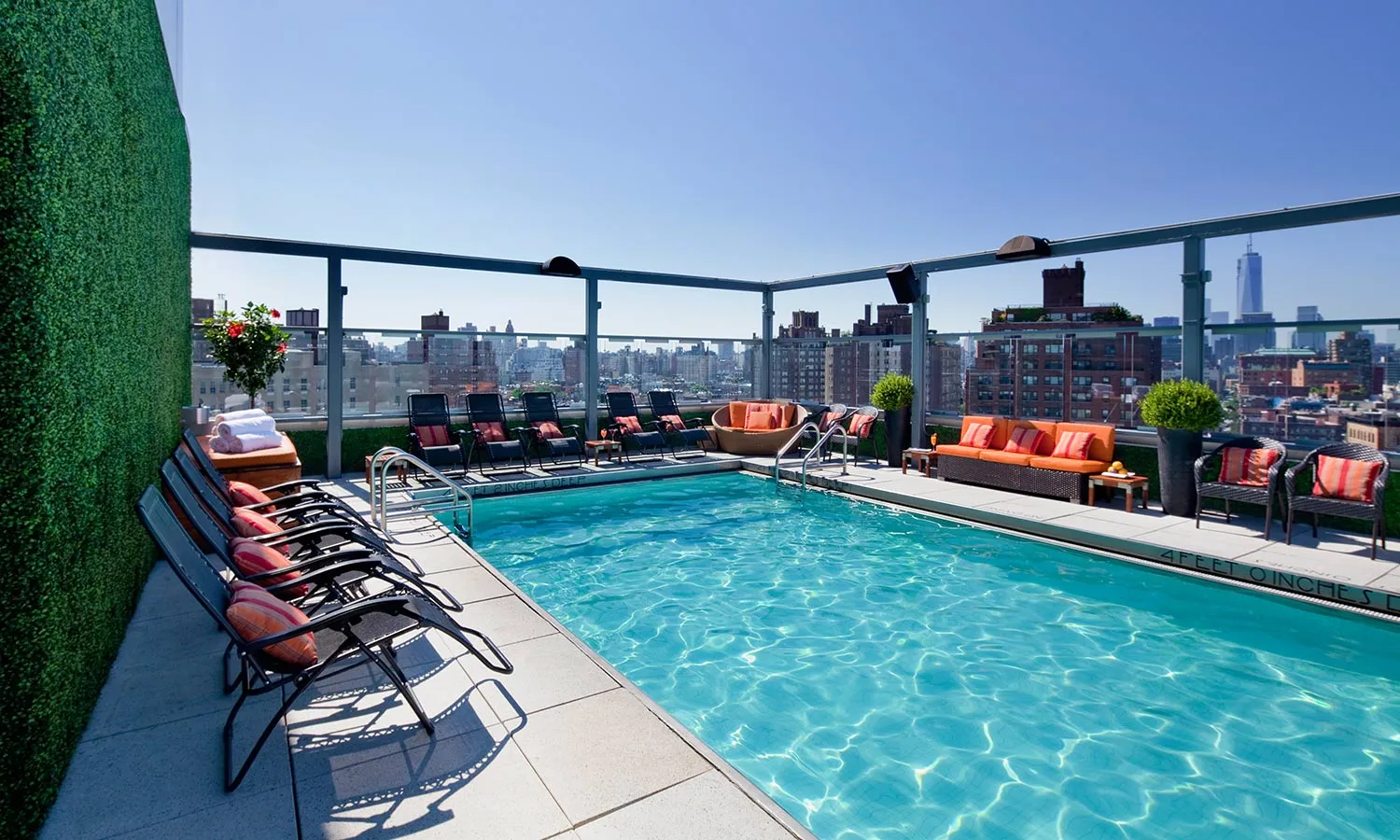
The allure of a private oasis suspended above the cityscape has captured the imagination of homeowners worldwide. Rooftop pools represent the ultimate luxury amenity, transforming underutilized space into a stunning retreat that combines functionality with breathtaking aesthetics. However, before diving into this ambitious project, homeowners must navigate a complex landscape of structural requirements, regulations, costs, and design considerations that can make or break the success of their elevated aquatic dream.
The Growing Appeal of Elevated Water Features
Urban living has redefined how we think about outdoor space. With ground-level yards becoming increasingly scarce in dense metropolitan areas, property owners are looking upward for recreational opportunities. A rooftop pool offers not just a place to swim, but a private sanctuary that maximizes property value while creating an entertainment space unlike any other. The combination of water, sky, and panoramic views creates an experience that traditional in-ground pools simply cannot match.
Beyond aesthetics, these elevated installations serve practical purposes. They provide privacy in crowded neighborhoods, reduce noise pollution from street level, and can even contribute to building insulation when properly designed. For commercial properties, Rooftop Pools have become signature amenities that distinguish luxury hotels and residential complexes from their competitors.
Structural Integrity: The Foundation of Your Project
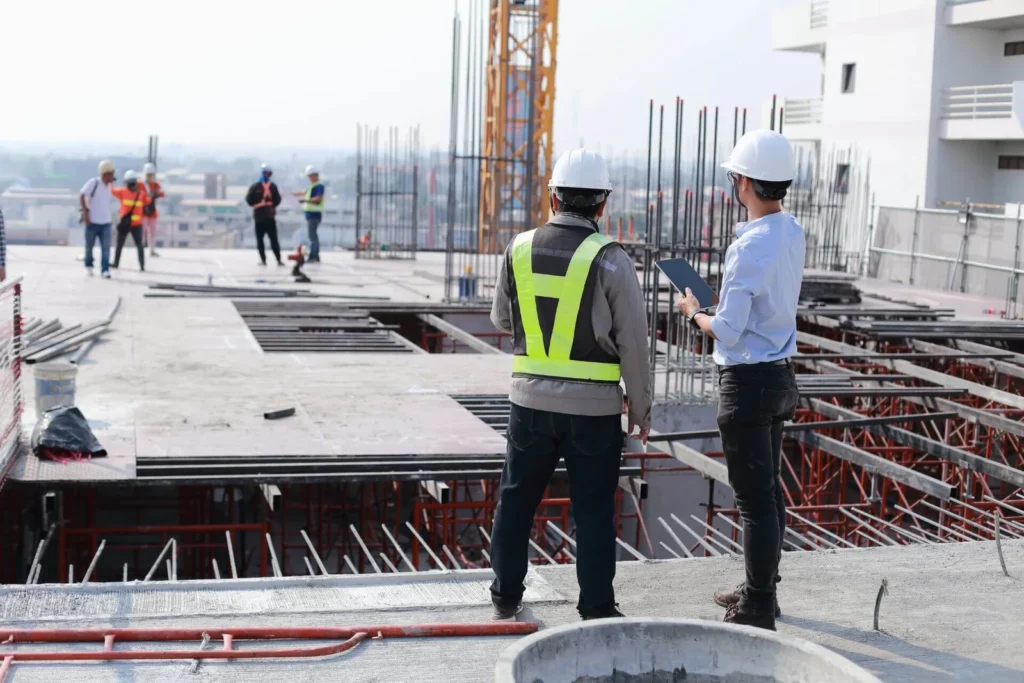
Rooftop Pools critical consideration for any rooftop pool project is structural capacity. Water is remarkably heavy, weighing approximately 8.34 pounds per gallon. A modest 12-foot by 24-foot pool with a four-foot depth holds roughly 8,600 gallons, translating to over 71,000 pounds of water alone. Add the weight of the pool structure itself, decking, furniture, and occupants, and you’re looking at a load that many existing buildings simply weren’t designed to support.
Before any design work begins, homeowners must hire a licensed structural engineer to conduct a comprehensive load-bearing analysis. This assessment examines the building’s foundation, support columns, beams, and overall structural integrity to determine whether the roof can safely accommodate the proposed pool. In many cases, significant reinforcement is necessary, involving the installation of additional steel beams, column strengthening, or even foundation upgrades.
Rooftop Pools construction method of your building plays a crucial role in feasibility. Modern steel-frame or reinforced concrete structures generally offer more flexibility than older buildings constructed with traditional materials. Historic properties may face additional challenges, as structural modifications could conflict with preservation requirements.
Retrofitting a building for rooftop pool installation typically costs between $50,000 and $200,000 or more, depending on the extent of reinforcement needed. This investment must be factored into your budget from the earliest planning stages, as structural inadequacy discovered late in the process can derail the entire project.
Navigating the Regulatory Maze
Rooftop Pools codes and zoning regulations vary dramatically by jurisdiction, but virtually all municipalities impose strict requirements on rooftop pools. Homeowners must obtain multiple permits before construction begins, typically including building permits, plumbing permits, electrical permits, and sometimes special-use permits for rooftop construction.
Local building codes address numerous safety and technical specifications, including barrier requirements, drainage systems, setback distances from roof edges, and maximum water depth. Many jurisdictions require safety fencing of at least four feet in height with self-closing, self-latching gates to prevent unauthorized access, particularly concerning children.
Rooftop Pools regulations may restrict the height of structures on your roof, affecting whether you can install a raised deck or cabana alongside your pool. Some neighborhoods have additional covenants or homeowners association rules that further limit rooftop modifications. Working with an experienced architect or contractor familiar with local regulations can help navigate these requirements and avoid costly delays or redesigns.
The permit approval process can take anywhere from several weeks to several months, depending on your location and the complexity of your project. Budget adequate time for this phase, and be prepared to submit detailed engineering drawings, structural calculations, and comprehensive project plans for review.
Waterproofing and Drainage: Protecting Your Investment
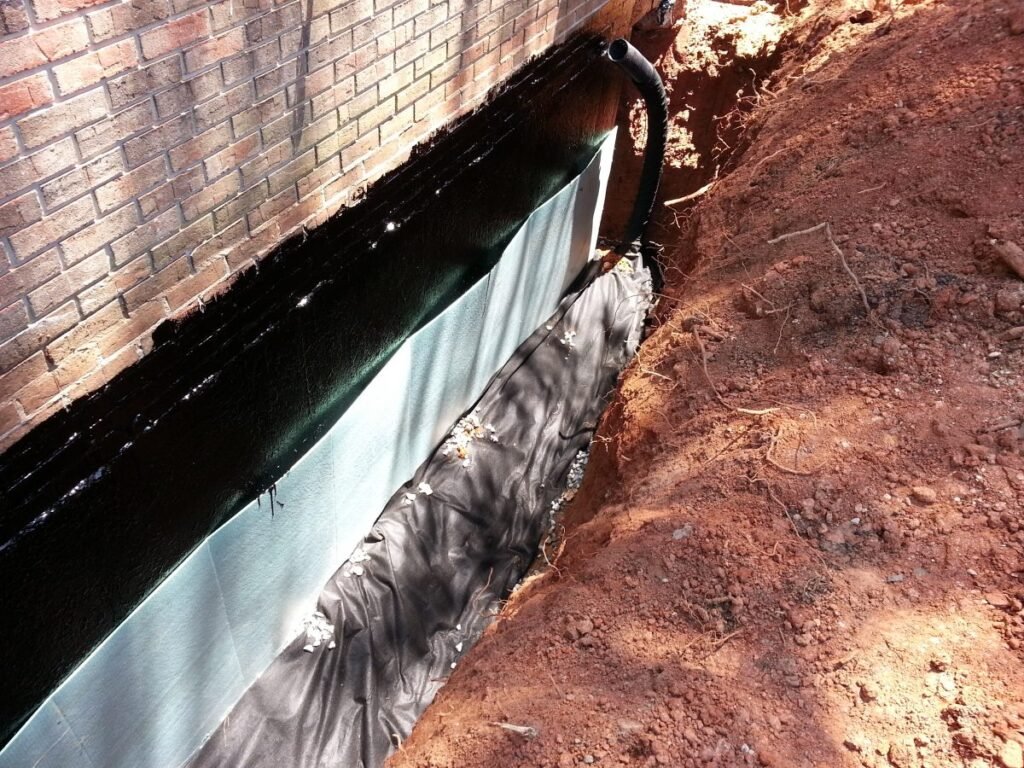
A rooftop pool installation demands exceptional waterproofing to protect the building structure below. Unlike ground-level pools where minor leaks might go unnoticed, even small amounts of water infiltration on a rooftop can cause catastrophic damage to interior spaces, leading to mold growth, structural deterioration, and ruined finishes.
Rooftop Pools waterproofing involves multiple layers of protection. The roof surface beneath the pool requires a high-quality waterproof membrane, often made from modified bitumen, EPDM rubber, or advanced polymer materials. This membrane must extend well beyond the pool footprint and integrate seamlessly with the building’s existing roof system. Above this base layer, additional waterproofing is applied to the pool shell itself, creating redundant protection against leaks.
Drainage systems must be meticulously planned to handle both normal pool operation and emergency scenarios. Overflow drains prevent water from cascading over roof edges during heavy rain or pool overfilling. Deck drains channel splash water away from the pool area, and backwash water from filter systems requires proper disposal routing. All drainage must connect to the building’s plumbing system or designated discharge points without compromising structural elements or causing water damage.
Regular maintenance of waterproofing systems is essential. Annual inspections should examine membrane integrity, drain function, and any signs of water infiltration. The harsh environment on a rooftop—with intense UV exposure, temperature extremes, and weather exposure—accelerates material degradation compared to ground-level installations.
Design Considerations for Elevated Installations
Designing rooftop pools requires balancing aesthetic ambitions with practical constraints. Weight limitations often necessitate smaller, shallower pools than homeowners might initially envision. Creative design strategies can maximize the sense of space and luxury within these parameters.
Infinity edges create stunning visual effects, making pools appear to blend seamlessly with the horizon. However, they require sophisticated engineering to manage water collection and recirculation while maintaining structural efficiency. Negative-edge designs offer similar aesthetics with potentially simpler installation.
Rooftop Pools significantly impacts both weight and durability. Fiberglass shells offer lightweight construction compared to traditional concrete, though they come with size and shape limitations. Stainless steel pools provide exceptional durability and modern aesthetics while maintaining reasonable weight. Vinyl-lined pools present the lightest option but may require more frequent liner replacement due to UV exposure.
The surrounding deck area deserves equal attention to the pool itself. Lightweight decking materials such as composite boards, aluminum frameworks, or specialized rooftop pavers reduce structural load while providing comfortable, attractive surfaces. Built-in seating, planters, and shade structures should all be factored into structural calculations from the beginning.
Wind exposure presents unique challenges for rooftop pools. Higher elevations experience stronger winds that accelerate water evaporation and can make the pool environment uncomfortable. Windscreens, privacy walls, or strategic landscaping help create sheltered microclimates while enhancing privacy. Glass barriers offer wind protection without obstructing views, though they require substantial structural support and regular cleaning.
Mechanical Systems and Accessibility
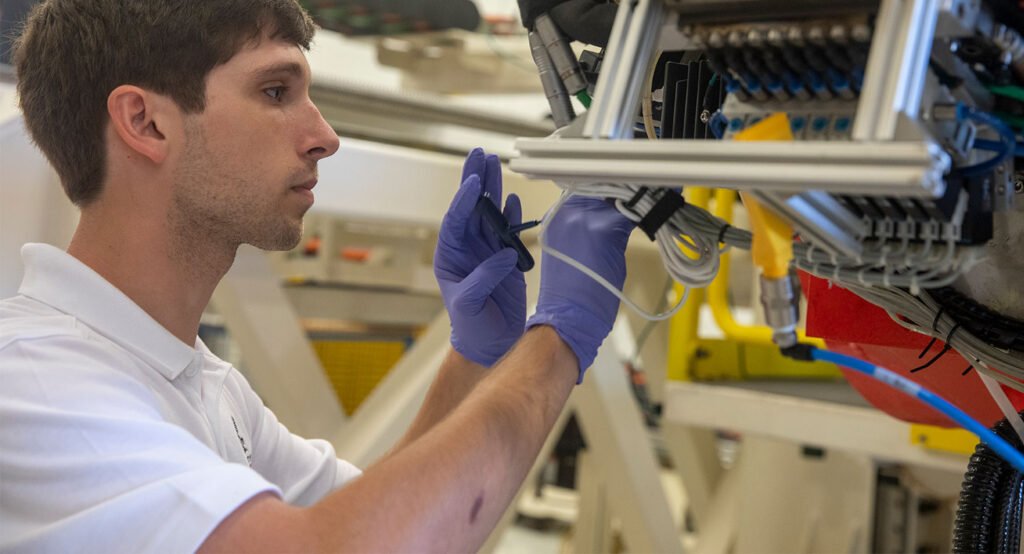
Rooftop pools demand specialized mechanical systems adapted to their unique environment. Filtration equipment, heaters, and pumps must be housed in weather-resistant enclosures that minimize noise and visual impact. Equipment placement requires careful planning to ensure accessibility for maintenance while keeping machinery out of sight.
Rooftop Pools water supply connection must integrate with the building’s plumbing system, and in many cases, a dedicated fill line is necessary to handle the large volumes required for initial filling. Automatic water-leveling systems become particularly important for rooftop installations, as evaporation rates typically run higher than ground-level pools due to wind exposure and solar intensity.
Heating rooftop pools often costs more than traditional installations due to increased heat loss from wind exposure. Solar covers, liquid solar blankets, or automated cover systems help retain heat and reduce evaporation. Some homeowners incorporate solar heating panels, which can be aesthetically integrated into the pool design or placed elsewhere on the roof structure.
Access to the rooftop pool area must meet building codes for safe egress. This typically involves upgraded stairways or, in luxury installations, dedicated elevators. The access route should comfortably accommodate moving pool equipment and furniture while meeting fire safety requirements for emergency evacuation.
Cost Considerations and Return on Investment
Building rooftop pools represents a significant financial commitment that extends well beyond traditional pool construction. Total project costs typically range from $150,000 to $500,000 or more, depending on size, complexity, and location. This investment includes structural engineering and reinforcement, specialized waterproofing, custom pool construction, mechanical systems, decking, safety features, and permits.
Rooftop Pools costs also run higher than ground-level pools. Increased evaporation demands more frequent water addition and chemical balancing. Wind exposure and temperature variations may necessitate longer heating periods. Access challenges can increase maintenance labor costs, as servicing equipment and cleaning the pool requires more effort than easily accessible installations.
Despite these costs, rooftop pools can substantially increase property value, particularly in urban markets where outdoor amenities command premium prices. Real estate professionals suggest that well-executed installations can add 10% to 20% to a property’s value, though this varies considerably by market. The lifestyle value—having a private resort experience at home—often justifies the investment for homeowners regardless of resale considerations.
Maintenance and Long-Term Care
Maintaining a rooftop pool requires diligence and expertise. The exposed environment accelerates algae growth during warm months and increases debris accumulation. Regular skimming, vacuuming, and chemical testing become even more critical than with conventional pools.
Winterization in cold climates presents unique challenges. While ground-level pools benefit from earth insulation, rooftop installations face harsher freezing conditions. Proper winterization involves draining water to below the skimmer level, blowing out plumbing lines, and protecting equipment from freeze damage. Some homeowners opt for year-round heated pools, accepting higher operational costs for extended use.
Rooftop Pools maintenance contracts often make sense for rooftop installations. Specialized pool service companies familiar with elevated installations can provide expert care while identifying potential problems before they become serious issues. Given the catastrophic potential of leaks or structural problems, professional oversight offers valuable peace of mind.
Making the Decision
Building a rooftop pool transforms not just your property but your lifestyle. The project demands substantial investment, careful planning, and ongoing commitment to maintenance. However, for homeowners who proceed thoughtfully with professional guidance, the result can be a stunning private retreat that provides years of enjoyment and significantly enhances property value.
Begin your journey by consulting with a structural engineer to assess feasibility. Engage an architect experienced in rooftop installations to develop preliminary designs that balance your vision with practical constraints. Research local regulations early to understand permitting requirements and potential obstacles. Most importantly, develop a comprehensive budget that accounts for all project phases, from engineering to ongoing maintenance.
The dream of a private oasis suspended above the urban landscape is achievable, but success requires respecting the complexity of these unique installations. With proper planning, expert execution, and commitment to maintenance, your rooftop pool can become the crown jewel of your property—a place where water, sky, and architecture converge to create something truly extraordinary.
About the Author