Morocco is a destination where ancient traditions, colourful cities, dramatic mountains, golden deserts, and beautiful coastlines come together. Located in North Africa, the country offers an extraordinary variety of experiences within a relatively compact area. Travellers can wander through centuries-old medinas in the morning, cross spectacular mountain landscapes in the afternoon, and spend an evening beneath the stars in the Sahara Desert.
From the lively streets of Marrakech to the blue-painted lanes of Chefchaouen, Morocco offers destinations that appeal to history lovers, couples, families, photographers, adventure seekers, and first-time international travellers.
If you are planning a holiday to Morocco and wondering where to go, these are the top 10 places to visit in Morocco.
1. Marrakech – The Colourful Heart of Morocco
Marrakech is one of Morocco’s most famous destinations and is often the first city travellers choose to explore. Known for its colourful souks, historic palaces, gardens, and lively atmosphere, Marrakech offers an unforgettable introduction to Moroccan culture.
The heart of the city is the Medina, a UNESCO World Heritage Site filled with narrow streets, traditional shops, restaurants, and historic buildings. Jemaa el-Fnaa is particularly famous for its lively atmosphere, especially in the evening when food stalls and entertainers fill the square.
Visitors can also explore Bahia Palace, the beautiful Majorelle Garden, and the Koutoubia Mosque from the outside.
Marrakech is an excellent choice for travellers who want a combination of culture, shopping, architecture, and food.
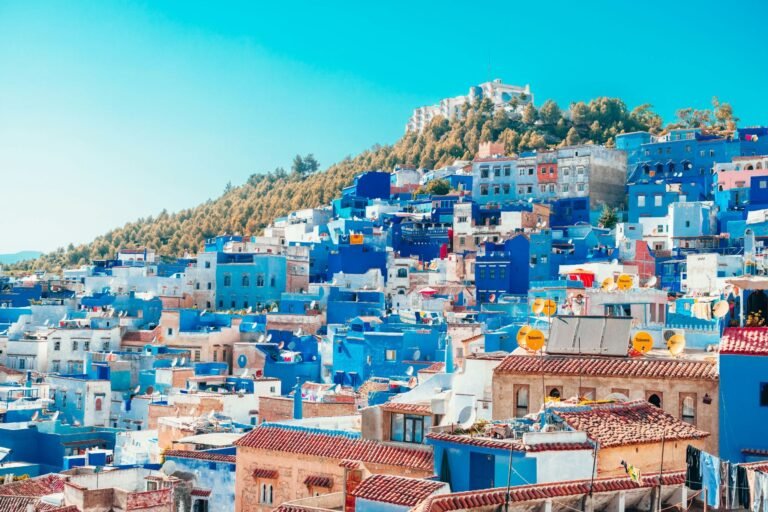
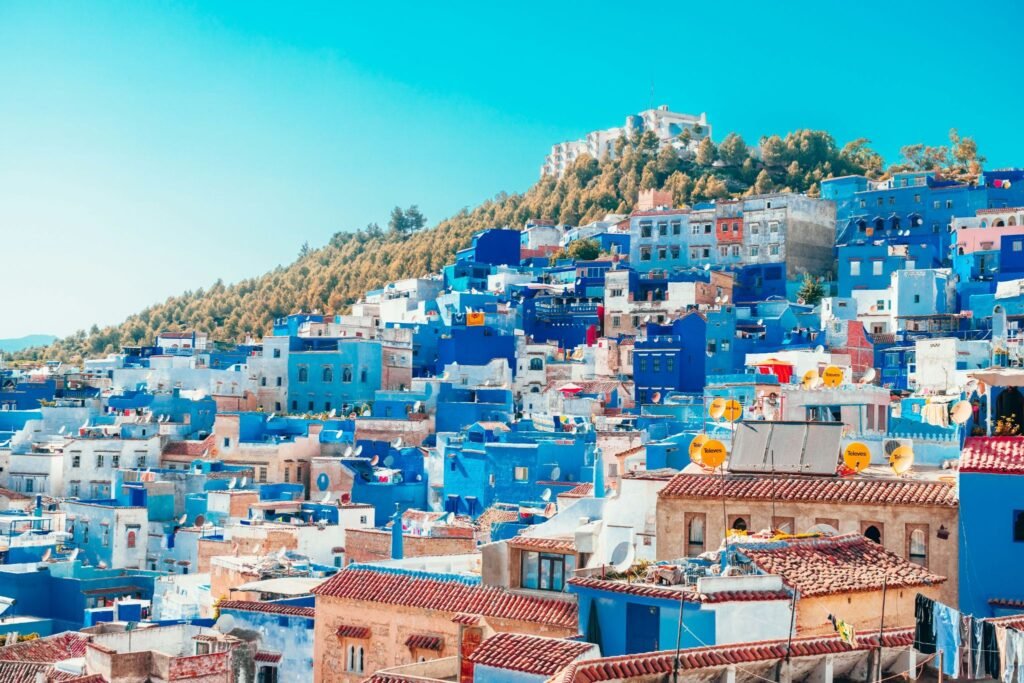
2. Chefchaouen – The Blue City
Chefchaouen is one of Morocco’s most visually distinctive destinations. Located in the Rif Mountains, this charming city is famous for its blue-painted buildings and narrow streets.
Walking through the old medina feels like exploring a giant outdoor art gallery. Blue walls, colourful doors, flowerpots, and traditional architecture create countless opportunities for photography.
Beyond the famous blue streets, visitors can hike into the surrounding mountains and enjoy panoramic views of the town.
Chefchaouen is particularly popular with couples and photographers because of its peaceful atmosphere and unique architecture. Spending at least one night here allows travellers to experience the city after the busiest daytime hours.
3. Fes – A Journey into Ancient Morocco
Fes is one of Morocco’s most important historical and cultural destinations. The city is home to Fes el Bali, one of the world’s largest and best-preserved medieval urban areas.
The old medina contains thousands of narrow streets and alleys filled with traditional shops, workshops, mosques, and historic buildings. Exploring the medina provides an opportunity to experience traditional Moroccan craftsmanship and everyday life.
Fes is also known for its historic educational institutions, beautiful architecture, and traditional tanneries.
For travellers interested in history and culture, Fes offers an experience that feels very different from modern cities.
4. Sahara Desert – An Unforgettable Adventure
No visit to Morocco feels complete without experiencing the Sahara Desert. The desert offers some of the country’s most memorable landscapes and experiences.
Visitors can travel by camel across the dunes, watch the sunset, and spend a night at a desert camp beneath a sky filled with stars.
Merzouga is one of the most popular gateways to the Sahara and is located near the impressive Erg Chebbi dunes.
A desert experience can also include traditional music, local food, and opportunities to learn more about desert communities.
For couples, a private desert camp can create an especially memorable experience, while families and groups can enjoy camel rides and desert activities together.
5. Casablanca – Modern Morocco and Coastal Charm
Casablanca is Morocco’s largest city and an important economic centre. While it may not have the same traditional atmosphere as Marrakech or Fes, it offers a fascinating combination of modern life, architecture, and coastal scenery.
One of the city’s most famous landmarks is the Hassan II Mosque, located dramatically beside the Atlantic Ocean. Its impressive architecture and waterfront setting make it one of Morocco’s most recognisable attractions.
The city’s Corniche is another pleasant area to explore, with ocean views, restaurants, cafés, and leisure spaces.
Casablanca is also an important arrival and departure point for international travellers, making it a convenient addition to many Morocco itineraries.
6. Rabat – Morocco’s Elegant Capital
Rabat, the capital of Morocco, is often quieter and more relaxed than Marrakech and Casablanca. The city combines historic monuments, gardens, modern neighbourhoods, and coastal scenery.
The Kasbah of the Udayas is one of the city’s highlights. Its narrow streets, traditional architecture, and location overlooking the Atlantic and Bou Regreg River make it an enjoyable place to explore.
The Hassan Tower and nearby Mausoleum of Mohammed V are also important attractions.
Rabat is a good choice for travellers who want to experience Moroccan history without the intensity of some of the country’s busier tourist destinations.
7. Ait Benhaddou – A Legendary Desert Village
Ait Benhaddou is one of Morocco’s most spectacular historic settlements. This fortified village, or ksar, is located along an ancient caravan route between the Sahara and Marrakech.
Its earthen buildings rise dramatically against the surrounding landscape, creating one of the most recognisable scenes in Morocco.
The location has also appeared in several major films and television productions, making it particularly appealing to movie fans.
Visitors can walk through the narrow passages, climb to higher viewpoints, and admire the surrounding desert landscape.
Ait Benhaddou is often visited during journeys between Marrakech and the Sahara and is an excellent stop for photographers and history enthusiasts.
8. Atlas Mountains – Spectacular Natural Scenery
The Atlas Mountains provide a dramatic contrast to Morocco’s cities and desert landscapes.
The mountain region offers opportunities for hiking, village visits, photography, and outdoor adventures. The High Atlas is particularly popular with travellers who want to experience Morocco’s natural landscapes and traditional mountain communities.
The Toubkal region is home to Mount Toubkal, the highest mountain in North Africa. Experienced hikers can undertake trekking adventures in the area, while travellers looking for easier experiences can explore mountain villages and scenic valleys.
The Atlas Mountains are especially beautiful when viewed from scenic roads and mountain passes.
9. Essaouira – A Relaxing Coastal Escape
Essaouira is a charming coastal city known for its historic medina, Atlantic Ocean views, fishing harbour, and relaxed atmosphere.
The city’s fortified walls and traditional architecture create a distinctive character. Travellers can explore the medina, walk along the coast, visit the harbour, and enjoy freshly prepared seafood.
Essaouira is also known for its windy conditions and has become popular for surfing and other water sports.
For travellers who want a slower pace after exploring busy cities, Essaouira can provide a refreshing break.
Its combination of culture, beaches, food, and coastal scenery makes it an excellent destination for couples and families.
10. Ouarzazate – The Gateway to the Desert
Ouarzazate is often called the gateway to the Sahara and is an important stop for travellers exploring southern Morocco.
The city is surrounded by dramatic desert and mountain scenery and is known for its connection to the film industry. Several productions have been filmed in and around the region.
The nearby Atlas Film Studios offer an interesting experience for movie enthusiasts, while the surrounding landscapes provide excellent opportunities for photography.
Ouarzazate is also conveniently located near Ait Benhaddou, making it easy to combine both destinations during a southern Morocco journey.
Best Time to Visit Morocco
Morocco can be visited throughout the year, but the best time depends on the destinations and experiences you want.
Spring and autumn are generally popular periods because temperatures are often more comfortable for sightseeing, city exploration, and desert trips.
Summer can be very hot, especially in inland cities and desert areas. Coastal destinations such as Essaouira can be more comfortable during the warmer months.
Winter can be a good time to visit cities such as Marrakech and Fes because daytime temperatures can be pleasant, although mountain and desert regions can become cold at night.
If you are planning a desert camp, remember that temperatures can drop significantly after sunset, even when daytime conditions are warm.
How Many Days Do You Need in Morocco?
Morocco deserves more than just a short city break if you want to experience its diverse landscapes.
A 7-day trip could focus on destinations such as Marrakech, Fes, Chefchaouen, and the Sahara, although the schedule would be relatively fast-paced.
With 10 to 14 days, travellers can create a more relaxed route that includes Marrakech, the Atlas Mountains, Ait Benhaddou, the Sahara, Fes, Chefchaouen, and Casablanca or Essaouira.
Travellers comparing Moroccan tour and travel packages from india should check how much time is actually spent at each destination rather than simply counting the number of places included.
A well-planned morocco travel itinerary should also consider driving times because some destinations are separated by mountainous or desert roads.
Tips for First-Time Visitors to Morocco
Morocco is a fascinating destination, but first-time visitors should keep a few things in mind.
Comfortable walking shoes are important because medinas often have narrow streets and uneven surfaces. Carrying a small day bag can also be more convenient than travelling with large luggage through old-city streets.
When visiting religious and cultural sites, dress respectfully and follow local customs.
It is also worth learning a few simple Moroccan Arabic or French phrases. While English is spoken in many tourist areas, communicating with locals can be easier with some basic language knowledge.
When shopping in traditional souks, bargaining is common. Take your time, compare prices, and avoid feeling pressured to buy immediately.
For desert excursions, choose experienced operators and prepare for both hot daytime conditions and cooler evenings.
Why Morocco Is Perfect for Different Types of Travellers
One of Morocco’s biggest advantages is its variety.
Couples can enjoy romantic riads, desert camps, sunset experiences, and coastal towns.
Families can explore colourful medinas, camel rides, historic sites, and cultural attractions.
Adventure travellers can trek through the Atlas Mountains, explore the Sahara, and try desert activities.
Photography enthusiasts will find endless opportunities in Chefchaouen, Marrakech, Ait Benhaddou, the Atlas Mountains, and the desert.
Even travellers who simply want to relax can enjoy Morocco’s beautiful resorts, traditional hammams, coastal destinations, and peaceful riads.
Final Thoughts
Morocco is a destination that rewards travellers who take the time to explore beyond its most famous cities. Marrakech provides colour and energy, Chefchaouen offers unforgettable blue streets, and Fes reveals centuries of history.
The Sahara brings spectacular desert adventures, while the Atlas Mountains showcase Morocco’s natural beauty. Coastal destinations such as Essaouira offer a slower pace, while Ait Benhaddou and Ouarzazate provide a glimpse into the country’s dramatic southern landscapes.
The top 10 places to visit in Morocco listed above provide a balanced combination of culture, history, nature, adventure, and relaxation.
Whether you are planning your first trip to Morocco, a romantic getaway, a family holiday, or an adventure across North Africa, choosing the right combination of destinations can turn your journey into an unforgettable experience.
About the Author